
Although bamboo is a key green resource and photographic subject matter, it is only one of a vast number of environmentally friendly products currently available. Green products may make you think of paper shopping bags and recycled plastic bottles, but in China, green research is a national movement.
More than 2000 environmental non-governmental organizations (NGOs) draw hundreds of thousands of citizens into
environmental activities and forge non-state linkages across provincial boundaries. China is unveiling
forward-thinking policies and pushing alternative energy because it has no other choice.
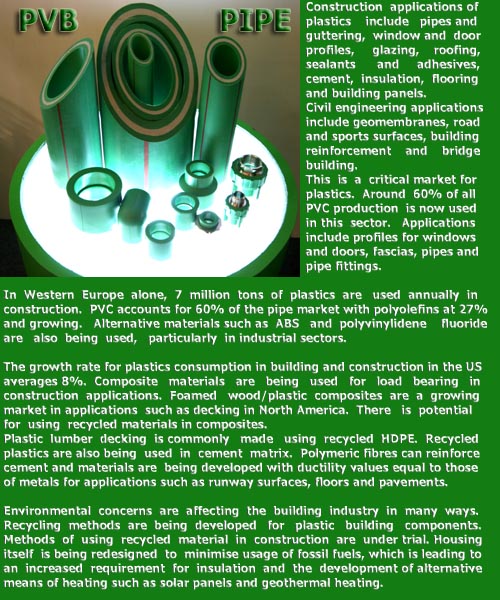
One should understand that the success or failure of China’s energy and environment program has implications for the rest of the world. The task at hand is to “green” the largest nation on earth by reducing fossil emissions, cleaning major rivers, and figuring out a way to supply the world’s nations with new products that are made from, or by, using renewable resources.
Normally, when importers source from Asia, there must be a specification input in order to create an output product. This is why many of Asia’s domestic green products have not made it to the international marketplace. China is the world’s leading investor in renewable energy and over 30 million Chinese households have solar hot water systems, which account for nearly 60% of the worlds’ installed capacity.
The role of Kingston Green is to identify “established and developing” green products that will play a role in the future of China’s export commodities. In order to receive the China Environmental Label, the State Environmental Protection Administration (SEPA) must certify potential products. This label identifies that a product will pose minimal or no harm to the environment and human health during its life cycle, from the design, production, packaging, transportation, and use; including the item’s ultimate recycling, reuse, or disposal.
SEPA launched the China Environmental Label in 1993. It now includes 56 categories of products and services, used
by some 1,300 enterprises on 21,000 products, including construction materials, textiles, vehicles, cosmetics,
electronics, and packaging. The current “green purchasing list” includes 859 products in 14 categories, ranging from
furniture, rubber and plastics, ceramics, vehicles, photocopiers, printers, televisions to flooring, paint, and other
construction materials.
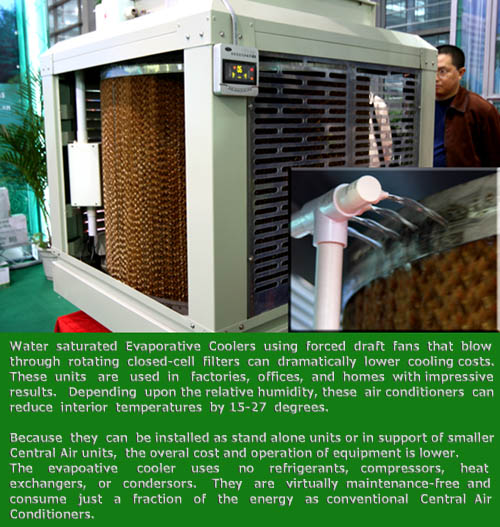
Please visit our other divisions online.
Kingston Quest Group, Ltd.
China Building Materials
Kingston Architectural Ironwork
Kingston Logistics
save@kingston-green.com
All Rights Reserved.